Understanding ADHD in adulthood
ADHD is a neurodevelopmental condition that starts in childhood and can continue into adult life. Inattention may involve losing track of tasks or struggling with organisation; hyperactivity may feel like restlessness; impulsivity can make it harder to pause before acting. The balance differs from person to person.
A difficult week, a busy mind or a social-media checklist cannot diagnose ADHD. Assessment considers the longstanding pattern, impact across settings and other explanations or coexisting needs, including sleep, anxiety, mood and health. Some adults seek help only when work, further study or family responsibilities increase.
ADHD therapy and practical support at IDTC
Adult appointments can focus on the specific difficulty you want to address. This may include planning a manageable routine, breaking a task into clearer steps, reviewing reminder systems or working on emotional and communication difficulties. Your preferences should guide the goals and any involvement of a supporter.
Ask the clinician to explain the proposed approach, their relevant experience, what practice is expected between sessions and how progress will be reviewed. General psychological support should not be presented as a verified specialist ADHD programme or a particular therapy certification without confirmation.
- Choose one or two goals that matter to your daily life.
- Identify barriers and the support already helping you.
- Agree how to review both progress and the effort the plan requires.
Assessment and medication questions
An ADHD assessment is different from a routine support consultation. Ask who can provide a formal assessment, what history and information they require, and whether a written report is included. Childhood records may be useful, but missing records should be discussed with the assessor rather than replaced with guesses.
Medication can be part of care for some adults. Decisions, prescriptions and monitoring require an appropriately qualified prescriber. Psychological support can accompany medical care; it does not establish that medicine is unnecessary or replace medical follow-up.
Appointments for adults, students and supporters
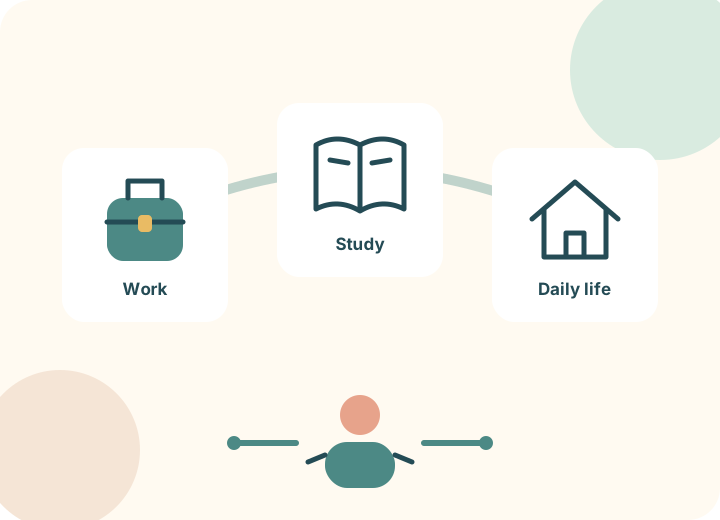
You can enquire about in-person care in Model Town, Multan, or an online appointment by arrangement. College and university students can discuss study-related difficulties alongside other areas of life. A partner, relative or caregiver may help with arrangements, while the adult’s consent guides participation and information sharing.
Confirm the adult fee, session length, clinician and scope before booking. The children’s consultation price does not establish the adult price. If you need documentation for work or university, ask about it before the appointment; a support session does not automatically include a diagnostic report or certification.
What we can discuss with you
- Planning and starting tasks at home, work or university
- Keeping track of appointments, responsibilities and materials
- Managing frustration, communication and the effect on relationships
- Recognising when diagnostic, medical or other specialist assessment is needed
Starting the conversation
Bring one or two examples from daily life, how long the difficulties have been present and what has helped. Include relevant existing assessments, current treatment and sleep or emotional concerns. You do not need to put a detailed medical history in an initial booking message.
Understanding the scope of support
The service described here is psychological and behavioural support. This website does not establish a psychiatrist, prescribing service or verified specialist adult ADHD diagnostic credentials at IDTC. If you need a formal diagnosis, medication or a report for work or university, ask specifically which qualified professional can provide it and what the appointment includes.
Read the background guidance: NIMH: ADHD in adults. This source explains the topic; it does not certify IDTC or an individual clinician.
Adult ADHD guides for daily life
Choose the question that matters now. You do not need to read every guide before asking for help.
- Adult ADHD signs: when everyday difficulties need assessment
- Adult ADHD assessment: records, questions and next steps
- Late ADHD diagnosis: making sense of a new explanation
- ADHD and starting tasks: make the first step smaller
- ADHD time management: planning for real life
- ADHD organisation and forgetfulness: simpler systems
- ADHD at work: practical adjustments and conversations
- ADHD study strategies for college and university students
- ADHD in adult relationships: support without taking over
- Adult ADHD and sleep: routines, symptoms and medical review
- ADHD and emotions in adults: frustration and overwhelm
- Adult ADHD treatment and support: questions to ask
Explore the full ADHD hub, including resources for students and supporters →

Your first contact for adult care
Muhammad Salman Afzal is IDTC’s owner, director and clinical and child psychologist. Contact him first to discuss the appropriate clinician for your adult appointment.
- BS Applied Psychology — Bahauddin Zakariya University, Multan.
- Advanced Diploma in Clinical Psychology (ADCP) — Bahauddin Zakariya University, Multan.
Adult appointments are available in Multan and online by arrangement. Before booking, confirm who will see you, their experience with your concern, the fee and session length.
Arranging an adult appointment
Contact Muhammad Salman Afzal at IDTC and say you are enquiring about adhd support for an adult. Ask who will provide the appointment, what it involves and the fee before committing. You can meet in Multan or ask about an online appointment appropriate to your needs and location.
The centre is on MPS Road, Block A Model Town, Multan (near Bloomfield Hall School, Street No. 2), open Monday – Friday, 2:00 PM – 6:00 PM. On-site parking and a customer toilet are available; the entrance is not currently wheelchair accessible.
This page describes routine support. If someone is in immediate danger, seek local emergency medical help. Medication and psychiatric assessment require an appropriately qualified medical practitioner.
Service information updated 29 October 2026. Clinical review has not yet been recorded for this page.