Separate appointments from tasks
An appointment has a fixed place in time; a task still needs a decision about when to do it. Keep appointments in one reliable calendar and place a small number of priorities alongside them. A list of twenty tasks does not show whether they fit into the day.
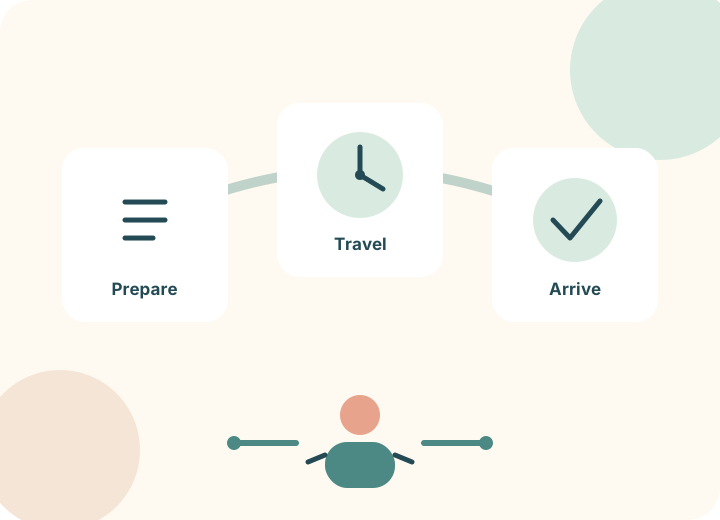
Include travel, preparation and recovery time where relevant. If a meeting starts at two, the useful reminder may be when to stop the previous activity or leave home, not merely when the meeting begins.
Check estimates against experience
Choose a few recurring tasks and compare your estimate with roughly how long they take. You do not need to track every minute. The purpose is to plan with better information, including interruptions and setup time.
- Note the time needed to prepare before leaving home.
- Add space between commitments when transitions are difficult.
- Break a long deadline into a few visible intermediate steps.
- Keep some unscheduled time for ordinary delays and changes.
Make reminders actionable
A reminder should say what to do, not just name the event. “Collect notes and leave for appointment” may be more useful than an alarm labelled “clinic”. Too many alerts can become background noise, so review which ones actually prompt a useful action.
For example, a student might set one reminder to begin preparing a presentation and another to submit it. These address different steps. Repeated alarms every few minutes may increase frustration without resolving an unclear task or an unrealistic schedule.
Plan for restarting after a missed day
A time system should be easy to return to. Keep a short weekly review to remove outdated tasks, confirm upcoming appointments and choose a few priorities. Missing the review once should not require rebuilding the whole system.
If another person helps, agree on the kind and timing of reminders. Partners and colleagues should not become permanent monitors by default. Shared responsibilities work better when the arrangement is explicit and can be renegotiated.
When planning tools are not enough
Persistent difficulty may involve task initiation, sleep, anxiety, mood or a workload that is simply too large. Consider whether commitments need to change rather than assuming another app will solve the problem. A planner cannot create time that is not available.
Bring a real example to an adult support appointment: a missed deadline, an overloaded day or a recurring late arrival. IDTC can discuss practical goals and psychological support in Multan and online. Ask how progress will be reviewed and whether further assessment is appropriate. Strategies should fit your daily circumstances and any broader ADHD treatment plan.