Look for a persistent pattern
Everyone forgets things or loses focus sometimes. The concern is a longstanding pattern that meaningfully affects more than one part of life, such as work, studying, home responsibilities or relationships. ADHD begins in childhood, although it may not be recognised until adulthood.
Write down specific examples and their consequences. Missing occasional messages is different from repeatedly losing essential instructions despite trying to manage them. Include situations where support or a predictable routine makes things easier; those details are useful too.
How difficulties may appear in adulthood
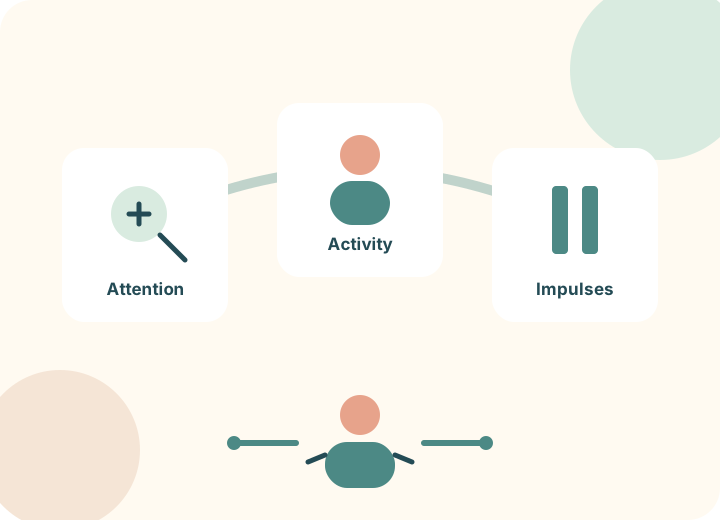
Inattention may involve losing track of tasks, overlooking details, forgetting arrangements or struggling to organise a project. Hyperactivity may feel like restlessness rather than constant running around. Impulsivity can involve interrupting or acting before considering consequences. People do not all show the same combination.
- Describe what happens at home as well as at work or university.
- Notice the support you rely on, such as reminders from another person.
- Include unfinished tasks and the effort involved in keeping up.
- Record strengths and helpful conditions, not just difficulties.
Consider other explanations and coexisting needs
Stress, poor sleep, anxiety, depression, physical health problems and substance use can affect concentration. Some can coexist with ADHD. A sudden change in attention should not automatically be attributed to a lifelong developmental condition.
An assessment should explore the timeline and wider health picture. Bring information about medicines and previous treatment. Do not stop prescribed treatment to see whether the symptoms change, and do not take someone else’s ADHD medicine as a test.
Being successful does not settle the question
Academic achievement or employment does not rule out difficulties. Someone may manage with substantial effort, family support or a highly structured setting. Equally, struggling at university or work does not prove ADHD. The purpose of assessment is to understand the whole pattern rather than confirm a label based on one outcome.
For example, an adult may keep appointments because a partner manages the calendar but struggle when that arrangement changes. Discuss the system that made things work, as well as the current problems. This is an illustrative example, not a diagnostic rule.
Choosing a next step
If the pattern is affecting your life, ask an appropriately qualified professional about assessment. You can also seek practical support with organisation, routines and emotional difficulties while clarifying the diagnosis.
IDTC offers adult psychological and behavioural support in Multan and online by arrangement. Ask who will see you and whether the appointment is for support or diagnostic assessment. This website does not establish a psychiatrist or prescriber at the centre. Bring a short list of concerns rather than trying to diagnose yourself before enquiring.