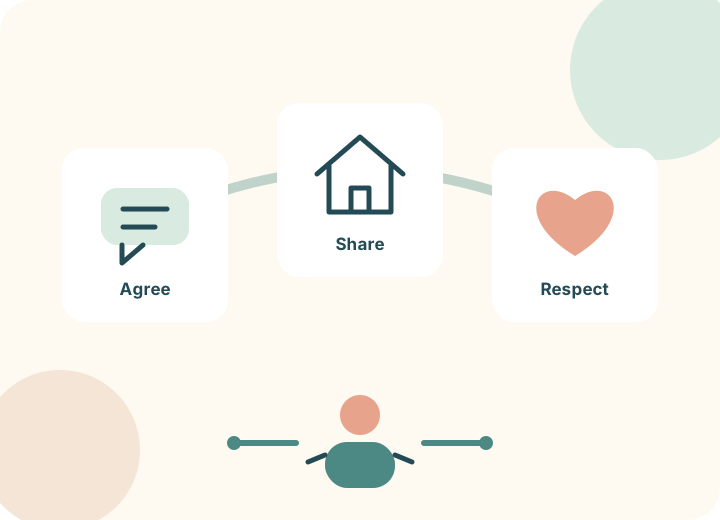
Name the recurring situation
Start with a specific difficulty such as missed plans, interruptions or household tasks left unfinished. Describe what each person experiences and what the consequence is. “We missed the payment because neither of us knew who was doing it” is more useful than a judgement about who cares more.
Choose a calm time for the discussion. Each person may have a different view of what happened, and both accounts can help identify a workable change. Avoid making a diagnosis the answer to every disagreement.
Make shared responsibilities visible
Agree who is responsible for a task, what completion means and where the reminder will live. Shared calendars or lists can reduce repeated verbal reminders when both people find them useful. Keep the system simple enough that maintaining it does not become another unequal responsibility.
- Separate asking for help from assuming the other person will take over.
- Agree the type and timing of reminders rather than repeating them all day.
- Discuss what happens when a plan is missed.
- Review whether the arrangement is fair and manageable for both people.
Support listening and repair
If interruptions are a recurring problem, agree on a way to return to the conversation without humiliation. A brief pause, written note or quieter setting may help. Check understanding of important plans rather than relying on a conversation held while someone was doing several things at once.
For example, partners might confirm weekend arrangements in one shared calendar after discussing them. The aim is a reliable record, not surveillance. If a disagreement causes hurt, practical changes should be accompanied by acknowledgement and repair where appropriate.
Preserve autonomy and boundaries
Helping with organisation does not justify reading private messages, controlling money or making treatment decisions without consent. Supporters also need boundaries and rest. An adult’s needs should not automatically turn a partner or family member into their manager.
ADHD does not excuse threats, coercion or violence. If someone is unsafe, prioritise safety and appropriate local help. Relationship strategies on a webpage are not a substitute for addressing abuse or urgent risk.
Seek support for the actual concern
Individual psychological support may help with communication, emotions or daily functioning. Ask whether a clinician offers individual work, couple work or family sessions; these are different services and should not be assumed from an ADHD support page.
IDTC can discuss adult support needs in Multan and online. The adult’s consent should guide who participates and what information is shared. Medication or diagnostic questions require the appropriate professional, while recurring relationship problems may need their own assessment rather than being treated solely as an ADHD symptom.