Turn an assignment into visible stages
Read the task and identify the required output, deadline and marking criteria. Write a few stages, such as choosing the question, finding sources, drafting and checking references. If the instructions are unclear, asking for clarification is a useful first step.
Keep a single record of deadlines across courses. Include submission arrangements and any work that must happen before the final day. A reminder on the deadline itself may be too late to help with a multi-stage project.
Make a study session specific
Decide what you will do in the next session rather than writing “revise all evening”. A concrete action might be answering three practice questions or explaining one concept without looking at the notes. Choose a manageable period and a planned break that fits the task and your needs.
- Put the required materials in one place before starting.
- Reduce one distraction rather than seeking a perfect environment.
- Keep a note of unrelated tasks to revisit later.
- End by writing the next action so restarting is easier.
Learn from the result, not just the hours
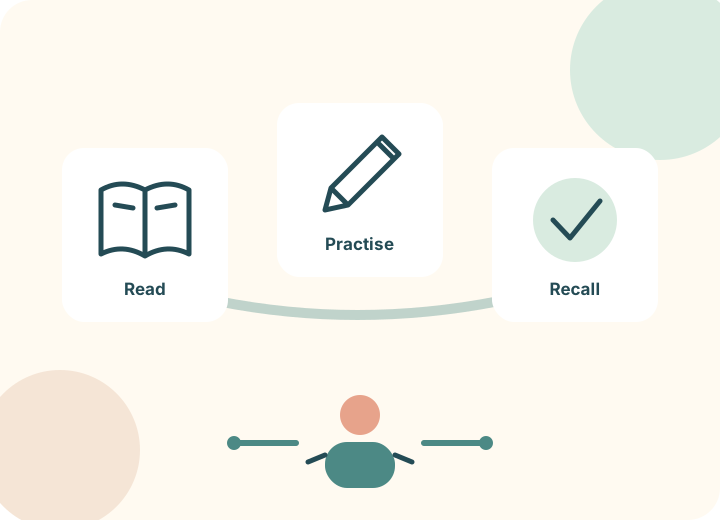
Check what you can recall or apply after studying. If rereading notes is not helping, ask a tutor about suitable practice tasks for the subject. A long time at the desk does not always mean the material has been understood.
For example, a student might use a short session to explain a theory aloud, then identify the part they cannot explain. That gap becomes the next question for a lecturer or study partner. This is a general study approach, not a clinical treatment for ADHD.
Ask about institutional support early
Contact the relevant student-support or accessibility office to ask about procedures, documentation and available arrangements. Possible support depends on the institution and assessment format. Do not assume extra time or another adjustment is automatic, or that rules from another country apply locally.
Consider what you want to disclose and how records are handled. You can begin by describing a barrier such as losing track of long instructions. A formal assessment, if needed, should be arranged with an appropriately qualified professional; a website checklist is not a substitute.
Protect health alongside study
Irregular sleep, anxiety, low mood or excessive workload can worsen concentration. Avoid borrowing medication, changing prescriptions or relying on stimulants to compensate for an unmanageable schedule. Seek professional advice when difficulties persist or affect daily life beyond studying.
IDTC can discuss adult psychological and practical support in Multan or online. Ask whether the clinician’s experience fits your needs and whether any requested university documentation is within the appointment scope. Study support should help you participate and learn, rather than promise a particular grade.