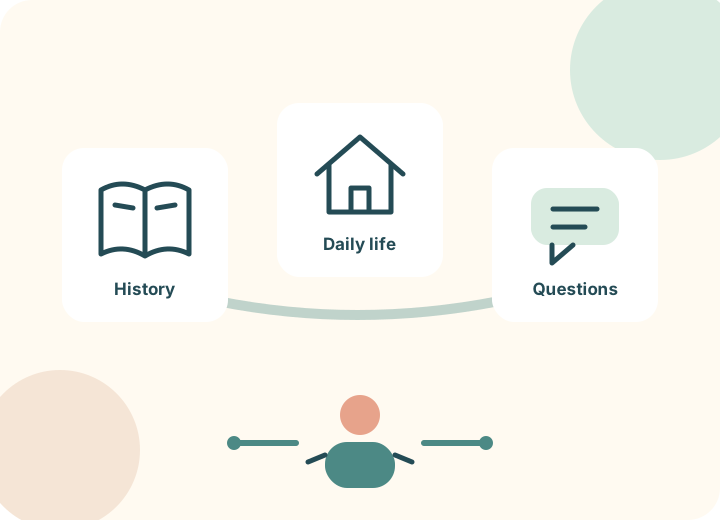
Prepare a short account of your concerns
Choose examples from different parts of life: managing deadlines, keeping appointments, studying, household tasks or conversations. Explain how long they have occurred and what the consequences are. Include the systems or people that help you cope, rather than describing only the worst days.
A one-page note can be enough. Do not feel you must produce a polished personal history or complete several online tests before asking for help. You can tell the clinician if organising the information itself is difficult.
Think about childhood information
ADHD starts in childhood, even when recognition comes later. An assessor may ask about school reports or speak, with appropriate consent, to someone who knew you then. Old records can be helpful but may be incomplete or unavailable.
- Bring existing school comments or earlier assessments if you have them.
- Note examples you remember from school and home routines.
- Explain gaps in the records or uncertainty about dates.
- Ask what alternative information the assessor can consider.
Include health and treatment history
Mention sleep, mood, anxiety, substance use, relevant physical health conditions and current medicines. These can affect attention and may require care in their own right. Explain whether difficulties have been longstanding or changed abruptly.
A rating scale can contribute information but is not a diagnosis by itself. Ask how interviews, history and information from different settings will be combined. If another assessment is recommended, ask what question it is intended to answer rather than assuming every test is necessary.
Confirm the appointment before paying
Ask the professional about their qualifications and experience assessing adult ADHD, whether they provide a formal diagnostic assessment and what any report will include. Clarify the total fee, follow-up arrangements and whether additional information or appointments may be needed.
If you are booking through IDTC, distinguish adult psychological support from a specialist diagnostic or medication appointment. The centre can discuss support needs and the appropriate next professional, but this page does not establish diagnostic or prescribing credentials for a particular clinician.
Understand the outcome and care plan
An assessment should explain the findings, uncertainties and recommendations in language you understand. If ADHD is not diagnosed, ask what may be contributing to the difficulties and what support is still available. The aim is useful care, not simply obtaining or rejecting a label.
If ADHD is diagnosed, ask how psychological, practical and medical options fit your priorities. Agree who will coordinate follow-up and how progress will be reviewed. You remain entitled to ask questions and discuss a plan that is manageable alongside work, study and family responsibilities.