Describe the task as an action
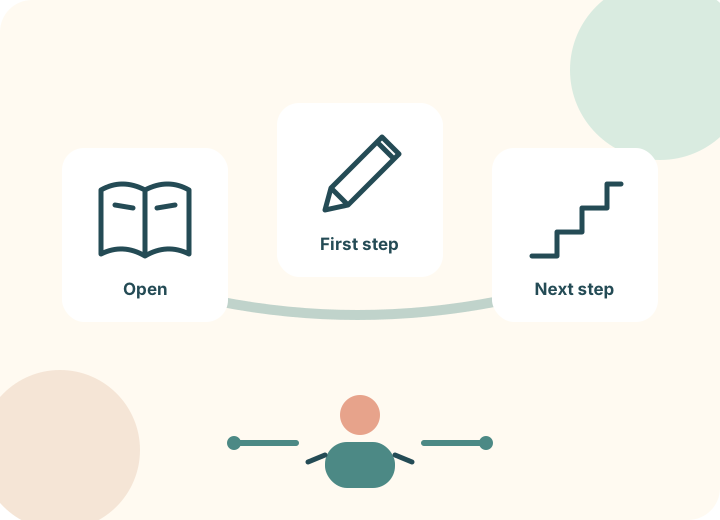
“Sort my life out” and “finish the assignment” are too broad to begin. Replace the task label with an observable first action, such as opening the document and writing three headings. A small start is useful because it reduces what must be held in mind, not because the whole task is trivial.
Ask whether the barrier is uncertainty, too many choices, missing information, fatigue or worry about doing it incorrectly. Each may need a different response. If concentration has changed suddenly or alongside persistent low mood, seek an appropriate assessment.
Reduce the work before the work
Put the materials you need in one place and remove one avoidable obstacle. This might mean opening the correct file, clearing a small workspace or asking a colleague which version to use. Aim for enough preparation to begin rather than spending the entire session redesigning the system.
- Write the first action in a short sentence.
- Decide what a workable first attempt would look like.
- Choose a brief work period with a clear stopping point.
- Leave a note about the next action before you stop.
Use external support by agreement
Some people find it useful to work alongside another person or arrange a brief check-in. Agree on the purpose: quiet company, a start reminder or help clarifying the task. This is a practical option to try, not a proven substitute for clinical treatment or something that works for everyone.
Keep accountability respectful. A supporter should not take control of private messages, finances or work without permission. If the arrangement adds pressure or embarrassment, change it. The adult remains involved in choosing what help is useful.
Plan for getting stuck halfway
Starting and finishing are different challenges. When you pause, note whether the next step is unclear, the task has grown or your energy has changed. Break out a question that needs another person’s answer instead of repeatedly rereading the whole project.
For example, “email the lecturer to clarify the word limit” may be the next useful action, rather than “try harder to write”. A visible list of completed stages can help you see progress. Avoid turning the list into another lengthy task that requires constant maintenance.
Review the pattern without blame
After a few attempts, ask what reduced friction and what remained difficult. Use outcomes such as getting started, meeting an agreed deadline or reducing distress. Do not judge success only by hours spent sitting at a desk.
IDTC can discuss organisation, daily functioning and psychological support for adults. A clinician can help consider whether anxiety, mood, sleep or other concerns also need attention. Practical strategies can accompany an ADHD care plan, but they cannot establish a diagnosis or replace a medication review where one is needed.