The main points in simple words
- My interests help choose the work.
- Ask what the job actually involves.
- Agree help, hours and payment clearly.
- I can say when something is not working.
Explore this topic in more detail
Explore interests before selecting a role
Ask about activities the adult enjoys, dislikes or wants to try. Avoid assuming that a diagnosis points to one kind of job. Someone may enjoy organising items but dislike a noisy shop; another person may prefer interacting with customers to repetitive sorting. Use concrete experiences and conversations to understand those preferences.
Distinguish paid employment, work experience, volunteering and training. They have different purposes and expectations. Before agreeing to any arrangement, clarify duties, hours, payment or expenses, duration and how the adult can leave. Where contracts, employment rights or benefits are involved, obtain relevant local advice instead of applying overseas guidance to Pakistan.
Break down a real task and its surroundings
Ask the workplace to describe a normal task from beginning to end, including interruptions and what happens when something goes wrong. For example, preparing a meeting table involves knowing the number of people, locating items, arranging them and checking the room. It also involves knowing whom to ask if supplies are missing.
Identify access barriers: unclear spoken instructions, small print, an unfamiliar route, fatigue, noise or equipment. A demonstration, a stable storage place or a brief checklist may be more useful than repeating general instructions. Machinery, driving, food handling and other safety-sensitive duties require the appropriate training and supervision; this guide does not establish readiness for them.
Worked example: a supervised task trial
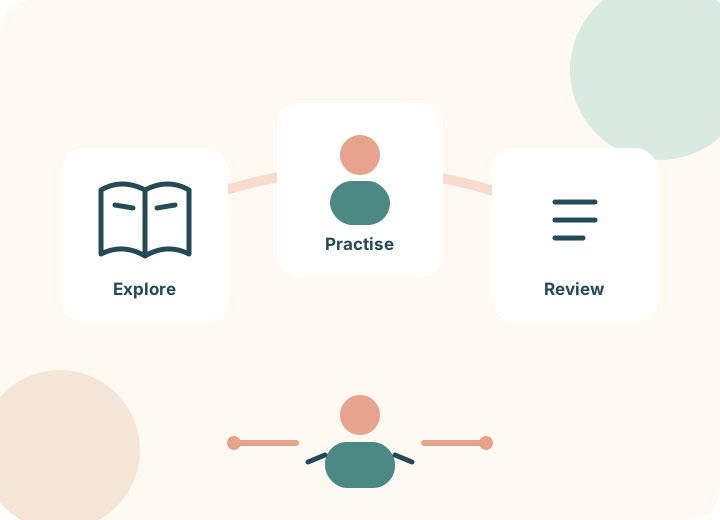
Imagine an adult interested in helping prepare materials at a community office. With a clearly agreed trial, they practise placing three named items into a folder. A supervisor demonstrates, then checks whether a labelled sample folder is helpful. The adult chooses how to ask for help and is told what to do if an item runs out.
Review the trial with the adult and supervisor. Did the person enjoy it? Were instructions clear? Was the task meaningful, and did the environment allow comfortable participation? Record the support that made the task possible rather than judging the person against an unsupported first attempt. A successful practice task is evidence about that task, not a promise of suitability for every workplace.
Make support responsibilities explicit
An employment support worker or job coach may help some people learn a role and negotiate adjustments, where such support is available. Agree who demonstrates tasks, checks understanding, handles changes and responds to concerns. Do not assume relatives can remain at a workplace or that an employer has trained support staff.
Discuss how the adult can give feedback privately. A named contact is useful only if the person knows how to reach them. If less assistance is being considered, review the actual task and the adult’s wishes first. Support should be adjusted to need rather than removed on an arbitrary timetable.
Include transport, breaks and workplace relationships
A task can go well while the overall working day remains difficult. Map the journey, arrival, breaks, toilets, food arrangements and return home. Ask about the person’s energy and any relevant access needs. Agree what happens if transport is late or the usual contact is absent, and practise communication about that change.
Discuss ordinary workplace boundaries: who can assign tasks, how to decline an inappropriate request, and where to report bullying or unsafe work. Do not ask the person to tolerate mistreatment as social-skills practice. Share personal information only as appropriate and agreed; the workplace needs practical support information, not unrestricted access to private records.
Review the fit and choose the next step
A review should include the adult’s own account, the tasks tried, the support provided and any unresolved barriers. If a role is unsuitable, identify whether the issue is the task, environment, arrangement or support. Changing the opportunity can be a constructive decision rather than a failure by the adult.
IDTC can discuss whether adult communication, behavioural or daily-living support relates to a preparation goal. These pages do not advertise recruitment, guaranteed placements or an accredited vocational programme. Ask an employer or relevant local provider directly about current opportunities and clarify any fees before committing.
Questions before accepting a work opportunity
Use these prompts in a private note or print this page. This website does not collect your answers. Examples are illustrative; adapt them with the adult.
| Area | Question to resolve |
|---|---|
| Role | What exact tasks and hours are proposed? |
| Terms | Is this paid work, training, volunteering or a time-limited trial? |
| Support | Who explains tasks and helps when plans change? |
| Access | How will transport, communication and breaks work? |
| Review | How can the adult give feedback or end the arrangement? |