The main points in simple words
- Show me what the task involves.
- Use instructions I understand.
- Tell me whom to ask when something changes.
- Check whether the list actually helps me.
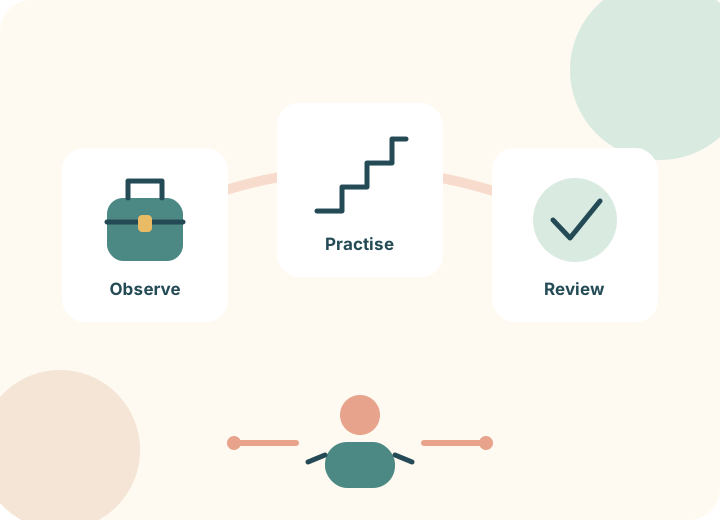
Observe the task before writing instructions
Ask the adult and supervisor to describe a normal task, including how it starts, how completion is recognised and what can interrupt it. Watch an agreed demonstration where appropriate. A job description such as “prepare materials” is too broad to turn directly into a useful checklist without understanding what happens at that workplace.
Identify the essential actions and the optional details. Note where supplies are kept, which items look similar and whether the order matters. Do not include machinery, hazardous materials or regulated duties as a casual practice activity. The employer or appropriately qualified trainer must establish the required safety procedures, supervision and role-specific training.
Choose cues that match the adult and the task
A checklist might use short written phrases, photographs of the actual materials, a completed sample or another format. Check the adult’s understanding before relying on it. Generic symbols may be unclear, and a photograph can stop being useful when packaging or storage changes. Let the person help choose the format.
Keep each step focused on an action that can be recognised. “Check the folder” may need clarification: check that the two named documents are inside, for example. Avoid excessive detail that turns a simple task into an exhausting sequence. The aim is a practical cue, not a test of reading or memory.
Worked example: preparing a workshop folder
Imagine an adult preparing folders for a workshop using a schedule, a blank note sheet and a pencil. An agreed checklist shows the three actual items and a completed sample. The supervisor demonstrates where the materials are stored and explains where finished folders go. The adult chooses how to mark a folder complete.
During the trial, the schedule supply runs out. The checklist includes a clear exception: pause this task and ask the named supervisor rather than substituting an outdated schedule. The adult uses that step. The review records both task completion and whether the exception instruction worked; it does not describe asking for help as failure.
Include changes, breaks and a named contact
A useful checklist explains what to do if an item is missing, the instructions conflict or the adult is unsure. Agree a person to ask and a backup when that person is unavailable. A name on paper is insufficient if the adult does not know where to find them or how to communicate the problem.
Clarify breaks and how to pause safely. Changes in workload, room layout or staff may require a new explanation. Ask before replacing a familiar checklist with a new version and allow time to try it. The adult should have a way to report that instructions are confusing without being blamed for raising the issue.
Review support separately from speed
Observe what the adult can do with the agreed aid, what help they request and which steps remain unclear. Speed alone is a poor explanation of whether the task and support fit. Ask about comfort, interest and the amount of effort involved. Compare like-for-like situations instead of treating a busy first day as representative of all future performance.
If the adult wants to try less prompting, agree which prompt will change and how help remains available. Do not remove a useful checklist just because the person has used it successfully. An aid can remain part of ordinary working practice. Discuss any safety or quality requirement with the responsible workplace staff.
Keep the plan fair and specific to the role
Record who maintains the checklist, when it will be reviewed and which version is current. Do not use the sheet as evidence that the adult can perform unrelated duties. If an opportunity is unpaid training or a trial, confirm its purpose, duration and terms separately; a task checklist is not an employment agreement.
IDTC can discuss whether adult communication or daily-living support fits a preparation goal. The centre is not advertising job placement, workplace certification or an accredited training course through this page. CDSS and NDSS resources offer employment-support context, while local employers and appropriate advisers must address the actual arrangement.
Task checklist design and review
Use these prompts in a private note or print this page. This website does not collect your answers. Examples are illustrative; adapt them with the adult.
| Design question | What to record |
|---|---|
| What task? | A specific task and its real starting point. |
| Which cues? | Words, photographs, sample or other aid tried with the adult. |
| What if supplies or instructions change? | The agreed pause-and-ask step and named contact. |
| How is completion recognised? | An observable outcome defined by the workplace. |
| What did the adult say? | Whether the aid helped and what should change. |