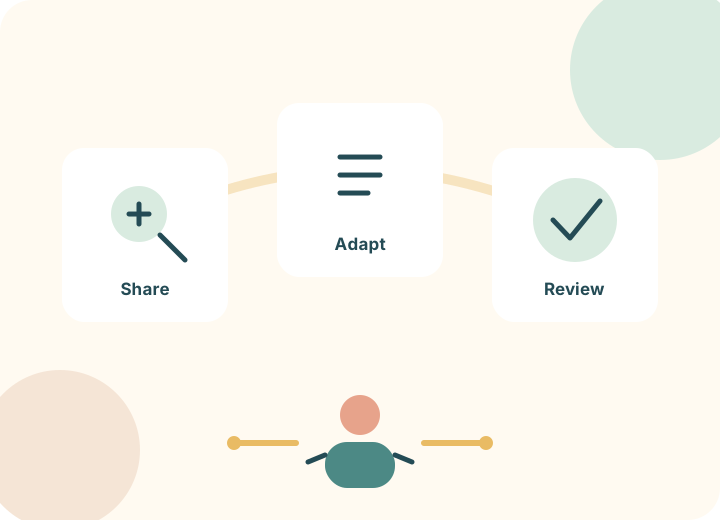
Start with a shared question
A useful conversation might begin, “What makes this part of the day difficult, and what helps?” Describe a specific activity or transition rather than asking whether the child is generally good or bad. Include strengths and successful situations.
School and home may see different patterns. Neither account cancels the other. Differences in noise, language, task demands, relationships and available support can all be worth exploring.
Agree what information is useful
Share relevant examples, the child’s own perspective and any agreed professional advice. Explain what you have tried and what happened. Ask about classroom routines, peer interactions, communication and learning demands.
Keep records factual and private. A brief note that the child asked for a break with support is more useful than a public red mark for “bad behaviour”. Agree who can access information and avoid sharing diagnoses or personal history more widely than necessary.
Connect adjustments to the actual difficulty
Possible adjustments include clearer instructions, a visual transition warning, a quieter place to work or tasks divided into manageable parts. Choose the change because it addresses an identified need, not because it is a standard feature of every behaviour plan.
For example, if starting written work is difficult, check understanding, reading and writing demands before treating leaving the seat as the main problem. A communication or learning assessment may be needed alongside behaviour support.
Name responsibilities and a review point
Agree who prepares materials, who helps the child practise and how concerns will be raised. Choose a realistic time to compare observations. The plan should describe what happens when the usual support is unavailable, such as on a substitute-teacher day.
Parents should not have to recreate the whole school programme at home. Focus on a small number of shared skills and manageable routines. Ask what the child finds useful and whether the support feels respectful.
Use a short handover with a clear purpose
An illustrative handover has four parts: the activity, the support offered, the child’s response and the next question. “During independent reading, the teacher read the instruction aloud; the child started with help; can we check whether the text level is appropriate?” is more useful than “a bad morning”. Include an ordinary success so the picture is not made only of problems.
Agree how often a note is genuinely useful and who will read it. A single relevant update may be enough; families and teachers do not need to document every action. Keep personal information within the agreed channel and involve the child in how support is described.
Prepare for days when the usual adult is absent
Ask where the short support summary will be kept, who can access the communication materials and which adult takes over the agreed role. Check the arrangements for trips, assemblies and changes of classroom as well as ordinary lessons. The child should know how to ask for help when the familiar teacher is away.
At review, distinguish a strategy that did not help from a strategy that was unavailable. If a quieter work area could not be offered, the record should say so. This makes the next decision more useful and avoids treating a gap in provision as the child’s failure.
Keep safeguarding and clinical needs distinct
Bullying, injury, unsafe supervision or a disclosure of harm needs an appropriate response, not merely a behaviour chart. A school support plan also cannot replace healthcare assessment when there are concerning changes.
IDTC can discuss relevant child services and whether coordination with school is part of the agreed appointment. Confirm permission, responsibilities and any report fees. This guide does not promise a particular school placement or legal entitlement; arrangements depend on the school and local requirements.