Refusal describes an action, not its cause
Pushing work away, leaving a chair or saying no can have different explanations. The task may be unclear, too difficult, physically uncomfortable, frightening or badly timed. A child may also need a more effective way to ask for help or a break.
This guide focuses on tasks and homework. If the concern is understanding everyday instructions, use the separate language-and-instructions guide. If the child is avoiding school itself, consider the school-refusal guide and discuss possible anxiety, bullying or other difficulties.
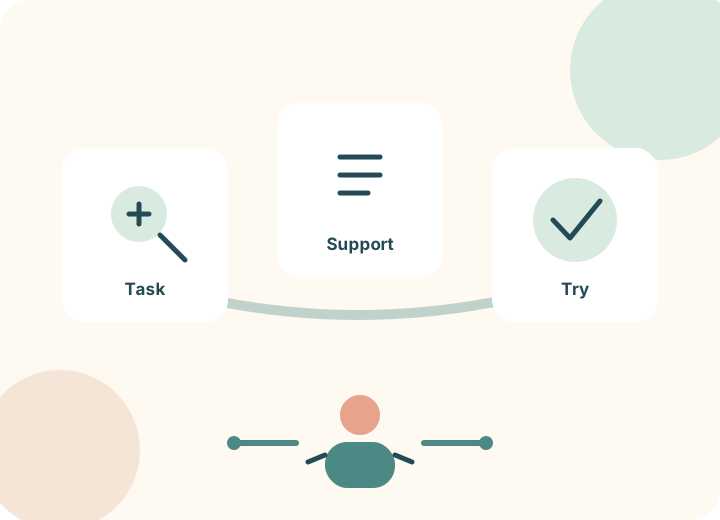
Check what the task actually requires
Break the activity into its hidden demands. A worksheet may involve reading the question, holding several instructions in mind, planning an answer and writing it by hand. Difficulty with any one part can look like refusing the whole task.
Ask the child what feels hard in a way they can answer. Try showing rather than repeating the same spoken instruction. Notice whether the child can explain an answer aloud but struggles to write it; this is useful information to share with the teacher, not a diagnosis by itself.
Make one supportive adjustment
Choose a small, achievable starting step and make the end clear. Offer an appropriate choice, such as which short task comes first. Keep a way to request help available and respond to it. A supported break should not depend on the child first becoming distressed.
For example, start by reading one question together instead of presenting a full page with “finish this”. Notice participation and communication, not only the finished product. The aim is access to learning, not silent sitting for its own sake.
Work with school rather than increasing the pressure
Share concrete observations and ask what the teacher sees. Discuss task length, language, writing demands, the learning environment and whether an assessment is needed. A child may manage differently at school and home; that difference is information to explore.
Avoid using homework as a prolonged confrontation. If an activity repeatedly leads to distress despite support, review its demands with school. A general behaviour plan cannot substitute for teaching missing literacy, motor or communication skills.
A homework example: find the difficult step
Illustrative situation: a child says “no” to a page of maths but answers a question during conversation. Ask the teacher whether reading the instructions, copying, remembering the sequence or using the pencil adds difficulty. Offer one agreed, manageable task and notice the support needed. Do not treat a successful spoken answer as proof that the child could finish the written page if they tried harder.
For a younger child, the first step may be finding the materials together. An older child can help choose the order or explain which instruction is confusing. Keep the learning goal clear while allowing different ways to participate where the teacher agrees.
What if a break becomes a long delay?
Agree a simple return cue while the child is settled: after the chosen pause, the adult checks in and offers the next manageable step. A break is less useful if the child returns to exactly the same inaccessible demand. Ask what still needs changing rather than making the break harder to obtain.
If returning repeatedly brings distress, take that information back to school or the clinician. Keep a sample of the work and a short description of help offered. A plan may need different teaching, timing or assessment. Do not keep extending a confrontation simply to achieve a completed worksheet.
When to ask for additional help
Seek advice when avoidance is persistent, participation is narrowing or there are concerns about learning, pain, anxiety or development. Sudden changes and loss of skills warrant appropriate healthcare advice. Immediate safety takes priority over completing a task.
IDTC can discuss behavioural, psychological, communication or special-education support according to the concern. Bring examples of the actual work and what the child can do with help. Ask which professional is best placed to assess the difficulty before choosing a programme.