What does “function” mean?
In this context, function refers to what a behaviour may achieve or how it relates to the situation around it. A child might be trying to leave an overwhelming activity, obtain help or cope with discomfort. These are possibilities to investigate, not motives to assign after one incident.
The word does not mean that distress is calculated. A child may not be able to explain what is happening, and several factors may operate together. A useful assessment keeps both wellbeing and everyday participation in view.
What information may be included?
A professional may discuss developmental and health history, interview carers, observe ordinary activities and review records. Information from school can add another perspective, with appropriate consent. The child should have an accessible way to contribute, including through pictures, gestures or supported conversation.
The question is broader than “what reward keeps this going?” Pain, anxiety, communication difficulty or a task beyond current skills may need attention. The assessment should also identify strengths, preferred activities and situations in which the difficulty is less likely.
How to prepare without turning home into a test
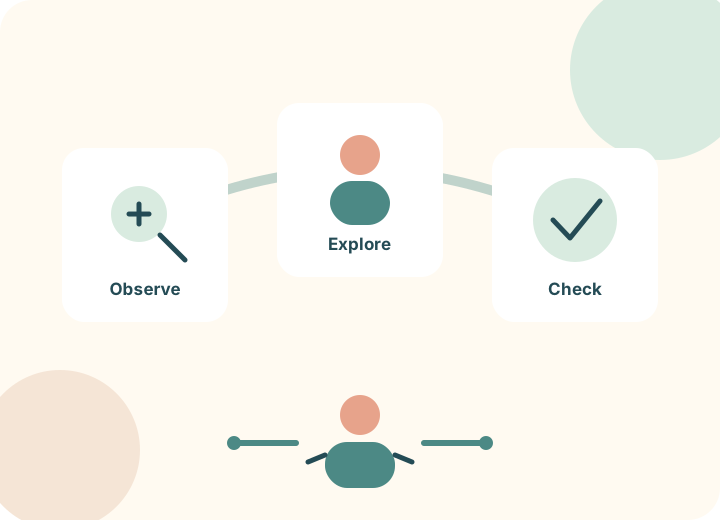
Choose a few clear examples. Record what happened just before, what the child did and what happened afterwards. Include when a similar activity went well. Notes such as “pushed the worksheet away after three spoken instructions” are more useful than “was difficult all evening”.
Do not create stressful situations, remove a needed communication aid or withhold comfort to find out whether behaviour increases. A formal experimental analysis is not a home exercise. Ask about the assessor’s qualifications, methods and safety arrangements if unfamiliar procedures are proposed.
What should the explanation look like?
Ask for a plain-language account of what the information suggests, what is still uncertain and which alternative explanations were considered. One event followed by attention does not prove attention was its cause. An explanation may need changing as more information becomes available.
For example, leaving a writing task might reflect difficulty with the task, discomfort, worry or a need for clearer instructions. The plan should test supportive changes, such as adapting the task or teaching a help request, rather than treat the initial hypothesis as settled fact.
Questions to ask when comparing assessment options
Ask who will carry out the assessment and how their training fits your child’s needs. Will they observe the relevant routine, speak with carers or school, and consider communication and health information? Ask how the child can decline or pause an activity and how any risk will be managed. These questions help distinguish a consultation from a more detailed assessment without assuming that every family needs the same process.
Clarify the output: a discussion, written formulation, practical plan, school meeting or follow-up may be separate arrangements. Ask what happens if the available information is inconclusive. A responsible explanation can acknowledge uncertainty and suggest a next step.
Two similar actions can need different support
Consider two illustrative occasions when a child pushes a plate away. On one occasion the food is too hot; on another, the child has finished and cannot easily say so. Counting plate-pushing alone would hide the difference. The first occasion needs a comfort and safety response; the second may benefit from an accessible “finished” message and an agreed place for the plate.
Even this example does not allow an observer to infer the explanation without checking. Record what the child communicates and what else is known. Do not deliberately recreate discomfort to compare reactions. Use ordinary observations to help the professional decide which explanations deserve further investigation.
What happens afterwards?
Assessment is useful when it leads to a practical plan and a way to review it. Agree a small number of meaningful goals, who will teach the new skills and how the child’s experience will be checked. Ask when to contact the professional if the plan increases distress.
At IDTC, confirm whether the proposed appointment includes this level of assessment or an initial consultation and referral discussion. Not every behaviour concern requires a formal FBA, and the professional’s scope should determine the methods used.