Different settings can produce different behaviour
A child may manage classroom demands and struggle after coming home. Tiredness, hunger, accumulated stress, sensory demands, relationships and differences in adult expectations are all possibilities to explore. The pattern does not prove that home is the problem or that the child is choosing to be difficult.
People sometimes call this “after-school restraint collapse”. It is an informal description, not a diagnosis or a complete explanation. Look at what your child experiences throughout the day rather than treating the label as the answer.
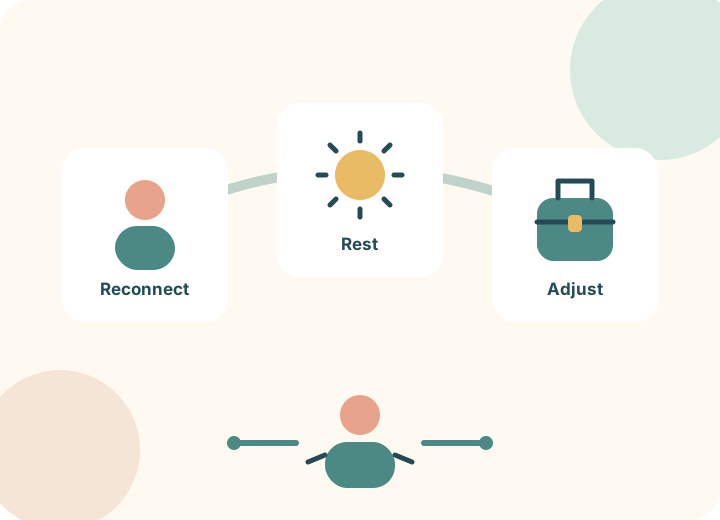
Create a gentler handover
Consider a predictable arrival routine with access to food, water, rest and a comfortable activity as appropriate. Some children want to talk immediately; others need fewer questions. Offer connection in a way the child welcomes.
For example, agree that the first part of the afternoon is for a snack and quiet play before discussing homework. This is an illustrative adjustment, not a required schedule. Families have different transport, work and caregiving constraints, so choose something manageable.
Ask school for the missing context
Share specific observations and ask about lunch, breaks, noise, peer interactions, transitions and learning demands. A child who completes work may still be struggling. Equally, an adult’s impression that the child is masking distress should remain a question rather than an assumed explanation.
With the child’s involvement where possible, agree a simple way to exchange useful information. Avoid a public scorecard that labels the whole day good or bad. Ask what support is available during the day, not only what should change after school.
Look for wider concerns
Notice changes in sleep, attendance, appetite, friendships or willingness to discuss school. Consider whether a new difficulty, bullying, a stressful event or a health concern needs further attention. Listen without pressuring the child to give a particular account.
If the child describes harm or seems unsafe, seek appropriate professional or safeguarding help. A sudden major change, loss of skills or signs of illness deserves healthcare advice. A calming routine should not become a reason to overlook those concerns.
Adapt the arrival routine to your household
If a child comes home with grandparents, agree a brief handover about anything that changes the afternoon, such as missing lunch or a difficult journey. Make access to food, drink and a comfortable activity predictable. A crowded household may use a quieter corner rather than a separate room; a child who wants company may prefer a familiar person nearby.
Ask the child about preferences when they can engage. “Would you like to talk now or later?” may be more useful than a long list of questions at the door. Adapt the communication method to their understanding, and avoid turning the arrival routine into another performance they must complete correctly.
When school says that everything looked fine
Try a more specific question: was lunch eaten, how were noisy transitions managed, and what happened during independent work or breaks? Ask for observations rather than agreement with a label. A report that work was completed does not answer every question about effort, comfort or relationships.
Compare a few ordinary school days with weekends or different collection arrangements, without assuming one setting causes the difficulty. If a pattern emerges, choose a practical change with school and review the child’s participation and recovery. Persistent school avoidance or disclosures of harm need their own follow-up, beyond a quieter afternoon routine.
Review the afternoon as a whole
Choose one change and notice what happens over comparable days. Include what helped the child recover and what demands remained difficult. Lower incident numbers alone do not tell you whether the child feels better.
If distress persists or family life is becoming unmanageable, ask about assessment and parent support. IDTC can discuss relevant child services and coordination needs. Bring information from both settings, with appropriate permission, rather than trying to decide which adult’s account is correct.