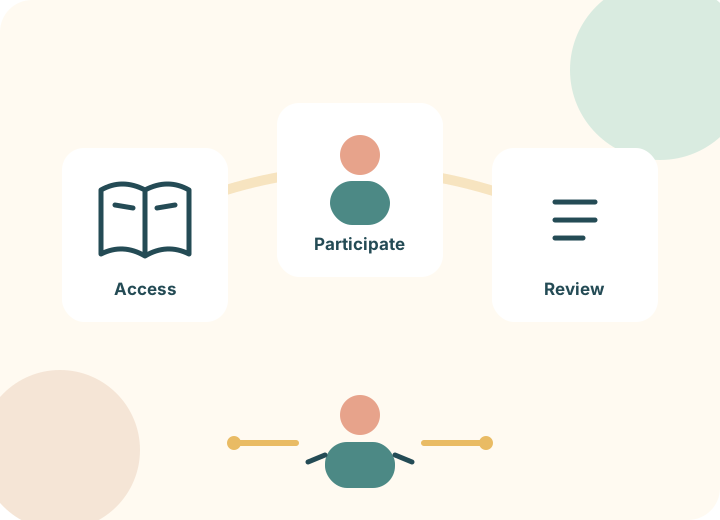
Plan participation before choosing a label for the placement
Ask what the child needs to take part in an ordinary school day: communication, learning access, movement, personal care, friendships and safety. Visit possible settings and ask how these needs would be supported. A school’s name or category does not by itself explain its day-to-day provision.
Include the child’s preferences and the family’s practical circumstances. Explore inclusion and appropriate adjustments while discussing the support actually available. This guide does not promise admission, a particular placement or a legal entitlement; arrangements depend on the school and local requirements.
Describe the starting point for each goal
An individual education plan should identify strengths, current skills, assistance needed and meaningful priorities. “Improve language” is too broad to guide daily teaching. A more useful description explains the communication situation, the support available and the action being taught.
Illustrative starting point: the child chooses between two familiar activities with objects at home, but the school offers only a spoken question. The planning task includes making an accessible choice available at school and checking that staff understand the child’s response.
Write goals with support and context included
An illustrative goal might be: during a familiar classroom routine, use the agreed communication method to choose an activity, with the specified cue available. The team then agrees what evidence to record and when to review it. The appropriate target and assistance level must come from the individual assessment.
Consider literacy, number meaning, writing access, self-care and social participation where relevant. Avoid a long list of goals that cannot realistically be taught. Choose priorities with the child and family, and explain how each connects to an activity that matters.
Make responsibilities visible
Name who prepares materials, teaches the skill, supports personal care and communicates with the family. Ask what happens when the usual staff member is absent. Include arrangements for breaks, assemblies, transport handovers and activities outside the classroom where relevant.
A support plan should preserve privacy and dignity. Agree who needs sensitive information and how it will be shared. Other pupils do not need access to a clinical report to learn inclusive ways of playing and communicating. Bullying or unsafe care requires an appropriate adult response, not a goal for the child to tolerate it.
Use a short review that answers a real question
For a choice-making goal, ask whether the communication materials were present, whether the child understood them and whether the choice was respected. Record help needed and changes between settings. Fewer interruptions or a completed worksheet alone may not show whether the child was meaningfully included.
If a goal is not progressing, review accessibility, teaching and opportunity before assuming a fixed limit. Consider relevant medical or therapy advice and decide whether a different assessment is needed. Keep a record of the change agreed and the person who will follow it up.
Prepare for a school meeting
Bring a short account of strengths, one or two priorities, useful work samples and relevant reports. Ask the school to describe an ordinary day with the proposed support. Discuss how the child can communicate discomfort, ask for help and access personal care without a public struggle.
IDTC can discuss learning plans, school readiness and relevant coordination, but confirm what reports or meetings are included and any fees. A clinic document can contribute to planning; it does not replace agreement with the school about what will actually happen.