Notice the pattern before choosing a strategy
A loud voice during excited play is different from repeated screaming with distress. Consider when it happens, how long it lasts and what the child can communicate in other ways. Volume alone cannot tell you the cause.
A child may be overwhelmed, uncomfortable, frustrated or trying to communicate an urgent need. Hearing, language, developmental and emotional factors may also be relevant. Avoid assuming that a child who can speak easily when calm can explain everything during distress.
Check comfort and immediate needs
Look for an obvious source of pain or illness, hunger, tiredness or a distressing environment. A sudden unexplained change deserves appropriate healthcare advice. If there is immediate danger or serious injury, seek urgent help rather than trying a behaviour technique first.
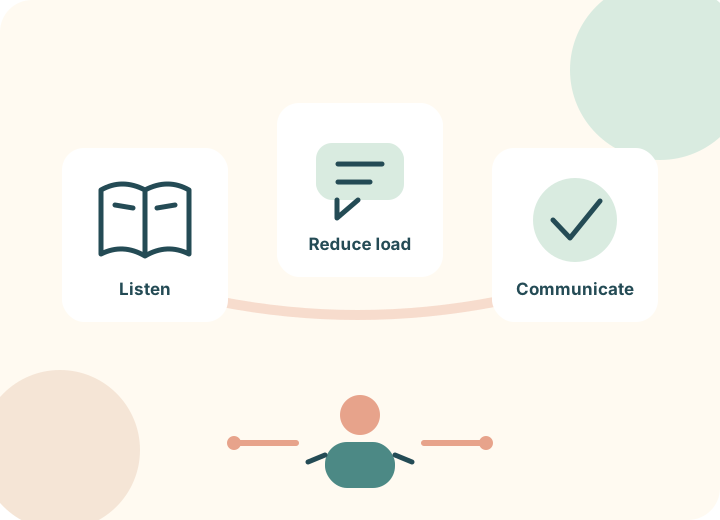
Reduce unnecessary noise and competing demands where possible. Stay available without crowding the child. Use a few clear words and allow processing time. Repeated questions or asking for an explanation at the peak of distress may add to the load.
Make a useful message easier to send
Choose a message relevant to the situation: help, stop, break, finished or more. It might be a word, gesture, sign or picture. Ask a communication professional which approach is accessible if the child has difficulty understanding or expressing language.
For example, during calm play, model showing a help picture when a container is difficult to open. Respond to the request so the child experiences its purpose. Do not make the child earn access to a communication aid or wait until they are completely silent before addressing an essential need.
Consider the setting and adult response
Notice whether screaming happens during a noisy journey, an abrupt transition or a difficult activity. A predictable warning or shorter task may be more useful than repeatedly asking for a quiet voice. Compare situations in which the child is comfortable and able to participate.
Adults can agree a brief response and an accessible alternative message. That does not mean ignoring distress. An ABC record may help describe events, but it should not be used to conclude that the child is deliberately manipulating adults.
What to do when a message is understood but cannot be granted
A child might clearly ask to continue an activity when it must end. Acknowledge the message and explain the immediate boundary briefly, using a familiar picture or cue if useful. Offer an available choice, such as which safe activity comes next. Communication remains worth responding to even when the exact request cannot be granted.
Do not promise an unavailable activity simply to end the noise. Equally, do not require a perfectly calm voice before responding to pain, toileting or another essential need. Later, practise an accessible way to ask what happens next or to request help with the transition.
A practical observation to bring to an appointment
Compare one noisy situation with a similar calmer one. For example, describe whether screaming begins on a crowded journey but not on a quiet walk, what the child communicates, and what support was available. Include whether there are concerns about hearing, discomfort or understanding; the observation alone cannot establish a sensory or communication diagnosis.
If the adults are exhausted, say so. Agree who can provide a safe handover and which part of the routine needs support first. A plan that depends on one overwhelmed carer responding perfectly every time is unlikely to be practical.
When to seek support
Ask for help when screaming is persistent, exhausting, affecting participation or accompanied by developmental or health concerns. Discuss both the child’s needs and the impact on carers. You can seek support before a diagnosis is established.
At an appointment, describe a typical episode and a situation that goes well. Ask whether communication assessment, psychological support, a health review or behaviour planning is the appropriate next step. Success means being understood and supported, not simply becoming quieter.