A risk factor is not an explanation for one person
Research can identify factors associated with ADHD across groups, but that does not establish exactly why an individual has it. Families should not be asked to reconstruct a pregnancy or childhood as if finding one event will explain everything.
A family history may be relevant to an assessment, but it cannot diagnose a child or adult. People in the same family can have different strengths, needs and experiences. The practical priority is understanding current difficulties and appropriate support.
Poor parenting and laziness are not adequate explanations
ADHD should not be reduced to a lack of discipline or effort. Clear routines and skilled support can help someone function better, but benefiting from those changes does not mean a parent caused the condition. Adults can also struggle despite caring deeply about their responsibilities.
Avoid replacing blame with another stereotype, such as assuming everyone with ADHD is unusually creative or academically weak. Intelligence and personality vary. A person deserves support based on their own needs, rather than a fixed story about what ADHD people are like.
Screens, sugar and modern life
It is misleading to claim that screen use or sugar alone causes ADHD. At the same time, daily habits can affect sleep, wellbeing and the situations in which attention is needed. Reviewing a routine can be useful without treating it as a diagnostic experiment or a guaranteed cure.
- Ask whether a claim describes an association or demonstrates a cause.
- Be cautious about products promising to remove ADHD through one change.
- Discuss restrictive diets or supplements with an appropriate professional.
- Consider ordinary health needs alongside any ADHD assessment.
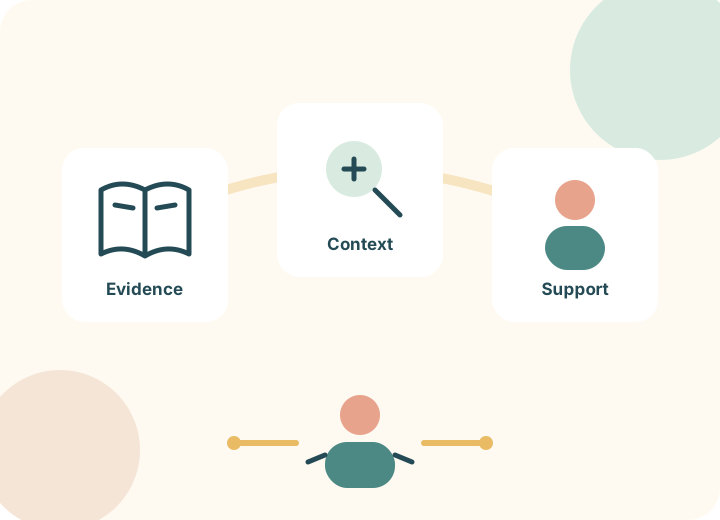
Why context still matters
The same person may manage more easily in a predictable setting than in a noisy environment with several competing tasks. Changing the environment can reduce demands and make skills easier to use. That variation does not automatically prove or disprove ADHD.
For example, a child may finish a short, supported activity but struggle with a long sequence of verbal instructions. An adult may manage well with written priorities but lose track during frequent interruptions. These observations help shape support; they are not standalone diagnostic tests.
Use the explanation to choose useful action
Ask what is difficult now, what support has helped and whether a qualified assessment is needed. Medical, developmental, sleep, learning and emotional concerns may need consideration alongside attention symptoms. The goal is not to find someone to blame.
IDTC can discuss psychological, behavioural and educational support needs. For children, adults and supporters, a clear account of the current difficulty is a better starting point than a theory found online. Diagnostic and medical questions should be addressed by appropriately qualified professionals, with the person’s circumstances and preferences included.