Start with everyday examples
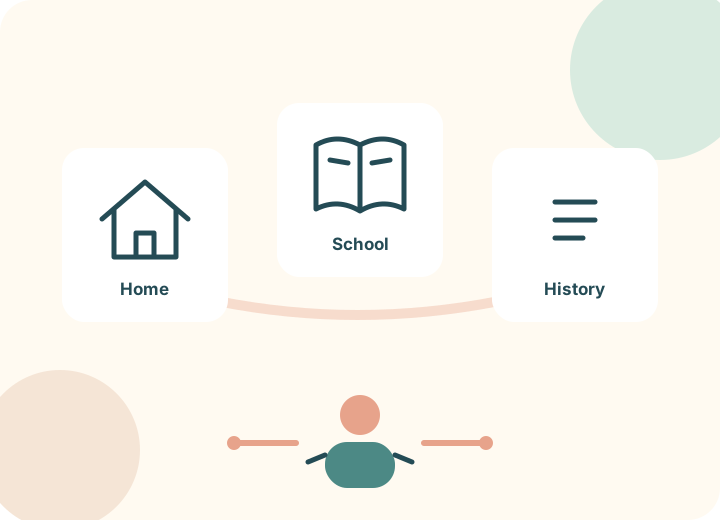
Write down two or three situations that concern you, including what the child was expected to do, what happened and how it affected them. “Needs repeated reminders to start three short maths questions” is more informative than “never concentrates”. Record strengths and situations that go more smoothly as well.
Try to describe how long the pattern has been present. A recent change after illness, poor sleep or a stressful event needs attention too, but it may call for a different explanation. Do not delay asking for help while trying to collect a perfect record.
What information may be useful?
The professional may ask about early development, health, sleep, learning, family circumstances and previous support. With appropriate permission, observations from school or other caregivers help show whether difficulties occur in more than one setting. Children should also have a chance to explain what feels difficult in words or another comfortable form of communication.
- Bring existing school comments, reports or work samples if available.
- List current medicines and relevant hearing, vision or health concerns.
- Describe both attention difficulties and activity or impulse-control concerns.
- Note what has already been tried and whether it helped.
What an assessment should consider
ADHD involves persistent symptoms and meaningful difficulty, considered in relation to developmental level. Hearing or vision problems, sleep difficulties, anxiety, learning and language needs can affect attention. They can also occur alongside ADHD. A careful assessment should consider these possibilities rather than treating one checklist score as the whole answer.
Ask who will conduct the assessment, their qualifications and experience, what information they need and how findings will be explained. The outcome should clarify the next steps, including when further specialist assessment is needed. An assessment does not have to end with an ADHD diagnosis to identify useful support.
Questions before booking in Multan
Ask whether the appointment is a support consultation or a formal diagnostic assessment, what the fee covers and whether a written report is included. IDTC can discuss behavioural, psychological and educational support needs. Confirm the appropriate diagnostic professional separately; this website does not establish specialist diagnostic or prescribing credentials.
For example, a parent might bring a short teacher note and explain that getting dressed is difficult every morning. Together these can guide questions about instructions, organisation and routines. They are starting points for assessment, not proof of ADHD.
Support while waiting
A simple visual routine, shorter instructions and a conversation with the teacher can address current difficulties without attaching a label. Choose one practical goal and review whether the change makes the day easier. If there is a sudden loss of skills, episodes of unresponsiveness or an abrupt major change in behaviour, arrange medical advice rather than assuming ADHD.