Looking for OCD treatment in Multan
The first step is finding care that fits OCD rather than treating every repeated thought as ordinary overthinking. At IDTC, you can discuss the impact on your daily life, previous care and the appropriate next step. Ask who will assess you and whether they have the experience needed for your particular difficulties.
Questions to ask about ERP and specialist care
Exposure and response prevention (ERP) is a component of cognitive behavioural therapy used for OCD. IDTC has not published verified ERP-specialist training for a named clinician. This page describes psychological support and treatment options; it does not confirm that an ERP programme is available at the centre.
- Who would deliver OCD-specific treatment, and what relevant training and supervision do they have?
- How would the treatment plan be agreed with me and reviewed?
- If specialist therapy or medication assessment is needed, what is the next step?
Making an enquiry without sharing intrusive thoughts
Your first message can simply say: “I would like to ask about an adult appointment for OCD.” You do not need to describe distressing thoughts or rituals to reception. Ask the clinician how relevant information can be shared privately during assessment.
Before arranging travel or online care, confirm the named clinician, suitability, fee and session length. You can ask these questions before deciding whether to book.
What we can discuss with you
- How intrusive thoughts and compulsions affect your day
- Checking, reassurance-seeking, avoidance or mental rituals
- Previous treatment and the time taken up by symptoms
- Access to a clinician with appropriate OCD treatment experience
Starting the conversation
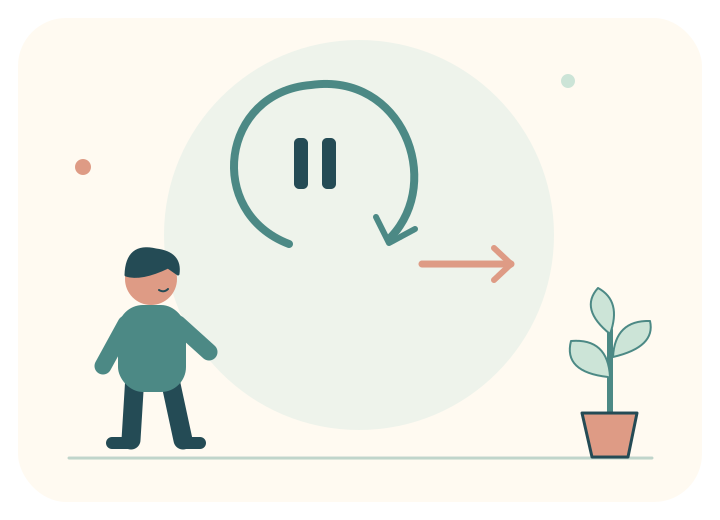
You can say that you are seeking help for OCD without describing distressing thoughts in your first message. In the appointment, discuss the cycle of thoughts, distress and responses, and ask the clinician about their experience with OCD-specific treatment.
Understanding the scope of support
OCD treatment commonly includes cognitive behavioural therapy with exposure and response prevention (ERP), and sometimes medication. General reassurance or relaxation alone is not equivalent to OCD-specific treatment. Confirm the clinician’s relevant training and treatment plan; prescribing requires a medical professional.
Read the background guidance: NHS: OCD treatment. This source explains the topic; it does not certify IDTC or an individual clinician.

Your first contact for adult care
Muhammad Salman Afzal is IDTC’s owner, director and clinical and child psychologist. Contact him first to discuss the appropriate clinician for your adult appointment.
- BS Applied Psychology — Bahauddin Zakariya University, Multan.
- Advanced Diploma in Clinical Psychology (ADCP) — Bahauddin Zakariya University, Multan.
Adult appointments are available in Multan and online by arrangement. Before booking, confirm who will see you, their experience with your concern, the fee and session length.
Arranging an adult appointment
Contact Muhammad Salman Afzal at IDTC and say you are enquiring about ocd support for an adult. Ask who will provide the appointment, what it involves and the fee before committing. You can meet in Multan or ask about an online appointment appropriate to your needs and location.
The centre is on MPS Road, Block A Model Town, Multan (near Bloomfield Hall School, Street No. 2), open Monday – Friday, 2:00 PM – 6:00 PM. On-site parking and a customer toilet are available; the entrance is not currently wheelchair accessible.
This page describes routine support. If someone is in immediate danger, seek local emergency medical help. Medication and psychiatric assessment require an appropriately qualified medical practitioner.
Service information updated 29 October 2026. Clinical review has not yet been recorded for this page.