Look at development and impact together
Running, moving between activities and needing reminders are common in early childhood. The concern is whether a pattern is unusually difficult for the child’s developmental level and interferes with participation, relationships or safety. A very active afternoon is different from a persistent pattern across ordinary routines.
Avoid comparing a child only with a sibling or expecting preschool attention to resemble an older student’s. Ask what support is already available and whether the demands fit the child’s language, play and self-care skills.
Gather observations from more than one setting
If the child attends nursery, ask staff for specific examples rather than a general judgement. What happens in a short group activity, free play, snack time and transitions? Notice settings where the child participates comfortably. Differences between home and nursery may reveal useful changes to the environment.
- Note sleep, hearing, vision and relevant health concerns.
- Describe how the child understands and communicates requests.
- Include recent changes in caregivers, routines or stressful events.
- Record safety concerns such as running into dangerous places.
Ask for age-appropriate assessment
Persistent concerns should be discussed with a qualified healthcare or developmental professional. Guidelines include assessment and support for young children; parents should not be told that a child is automatically too young for any help. The assessment should consider other explanations and coexisting developmental needs.
An online checklist cannot settle the question. Ask who is qualified to assess this age group, how nursery observations will be included and what support is appropriate while the picture becomes clearer. A consultation can be useful even if a diagnosis is not made.
Begin with support adults can provide
For young children with ADHD, parent training in behaviour management is an important recommended approach. Clear routines, short instructions, encouragement and coordinated responses at nursery can be more useful than expecting a preschool child to manage everything independently.
For example, a picture showing “snack, then outside” may make a transition easier to understand. The adult still needs to help the child move to the next activity. A visual cue is a support, not a test the child must pass unaided.
Keep school readiness broader than sitting still
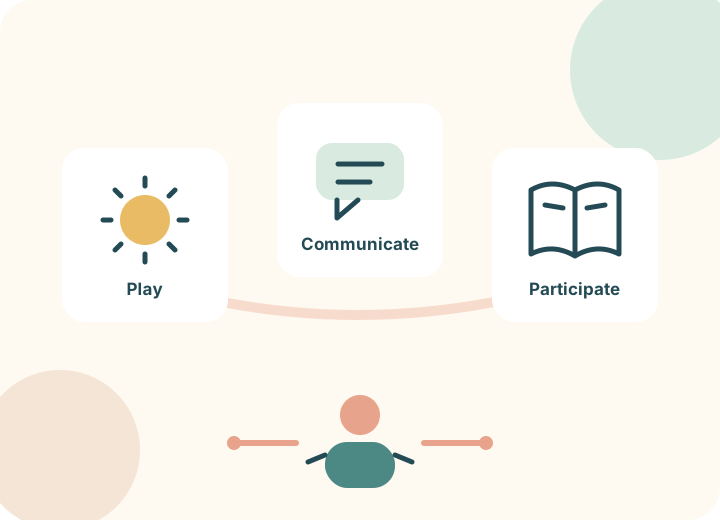
School readiness includes communication, participation, play, help-seeking and practical routines. It should not be reduced to remaining seated or completing worksheets. Build opportunities for movement and successful engagement into the day.
IDTC can discuss parent guidance, behavioural support and developmental or school-readiness needs. Ask what the consultation covers and whether a specialist medical or developmental referral is also needed. Medication decisions for young children require a qualified prescriber and individual review; no medicine recommendation or dose is provided here.