What parent training is for
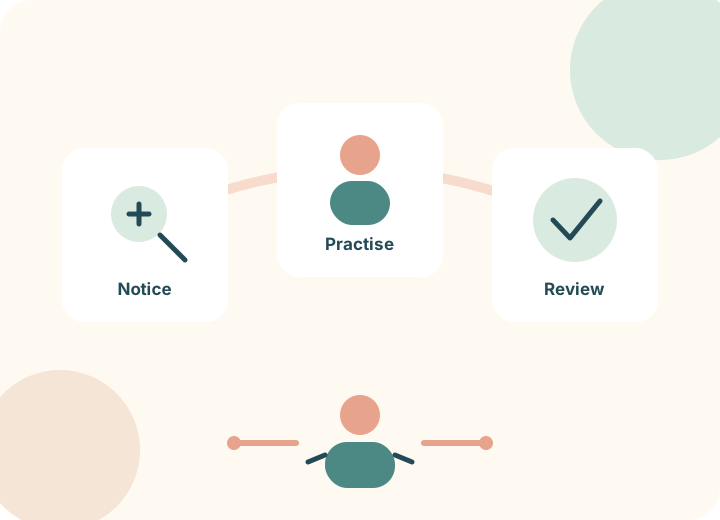
In a structured programme, parents learn and practise ways of giving instructions, noticing helpful behaviour and responding consistently. The work is with the adults around the child as well as the child. For young children with ADHD, evidence-based parent training in behaviour management is a recommended first approach.
A useful appointment connects an idea to a real routine at home. Instead of leaving with “be more consistent”, you should understand what to say, what to change and how to check whether the plan is realistic. Ask about the clinician’s training in the approach they recommend.
Choose a goal a child can understand
Start with one action, such as putting the schoolbag in its place after arriving home. “Be good all evening” is too broad to teach or notice reliably. Make sure the child understands the action and has the communication and practical skills to carry it out.
- Give a short instruction when the child can attend to it.
- Allow a reasonable time to respond before repeating yourself.
- Notice the specific action: “You put your bag on the hook.”
- Offer help when the step is too difficult rather than escalating demands.
Rewards should support learning
Agree on encouragement that is meaningful and manageable. Some children enjoy choosing a shared game or marking progress on a simple board. Keep the link between the action and feedback easy to understand. Avoid public comparisons with siblings or using affection, meals, sleep, bathroom access or other basic needs as rewards to be earned.
If the plan repeatedly fails, check the target, timing and environment. A reward cannot make an unclear instruction understandable or remove pain, exhaustion or overwhelming noise. The aim is useful skills and a better daily experience, not unquestioning obedience.
Practise between appointments
Keep a brief note of the situation, what you tried and what changed. Include occasions when it worked without difficulty. At review, ask whether to adjust the task, the support or the feedback. Parents and other regular caregivers may need help agreeing on a small set of consistent responses.
For instance, if leaving home is difficult, begin with shoes in one visible place and a two-step picture cue. Review the amount of prompting and stress, not just how quickly the child moved. This is an illustrative practice idea, not a complete treatment programme.
Bring a routine to practise, not a list of complaints
Choose a short routine such as packing a bag. Bring the actual materials or describe where they are kept. Ask the coach to show how an instruction, demonstration and response would work with your child’s communication level. Then talk through what happens if the child forgets a step or the family is late.
An illustrative first goal might be placing one named item in the bag with a picture cue. Record the assistance needed, not just whether the bag was finished. If this remains difficult, check the instruction and the task before adding more rewards. Agree how the plan will be simplified on busy days and what to bring to the next review.
Asking IDTC about support
IDTC offers parent guidance and behavioural support in Multan. Ask how the proposed sessions involve caregivers, what practice is expected and how progress will be reviewed. Confirm whether the clinician provides a recognised ADHD parent-training programme or more general parent coaching; the two should not be described as interchangeable.
Parent work can be part of a broader plan involving school and medical care. It does not mean medication is always unnecessary or that a parent caused the difficulties.