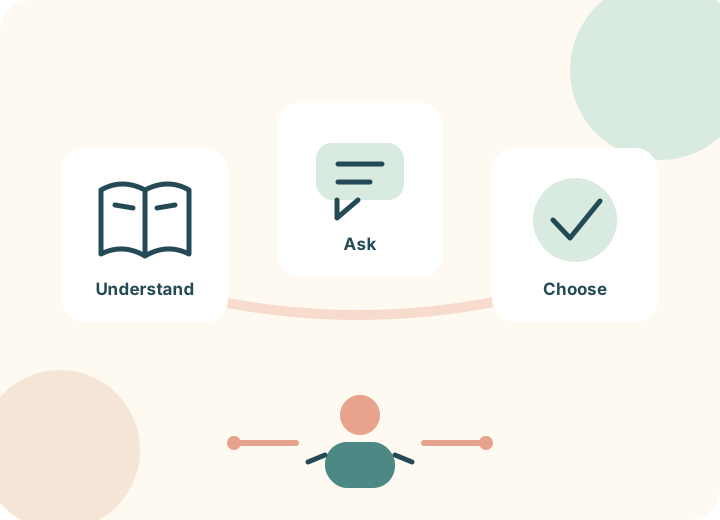
Start with something the child recognises
Talk at a calm time about a familiar experience. You might say, “Keeping all the instructions in mind can be hard, so we will put the steps where you can see them.” Explain that attention and impulse control can be harder for some people and that adults can help make tasks manageable.
If a diagnosis has not been made, avoid telling the child that they definitely have ADHD. You can still discuss the difficulty and the support you are trying. Ask what the child already believes, especially if they have heard labels from classmates or online.
Avoid blame and sweeping promises
ADHD is not a measure of intelligence or personal worth. It also does not make every action unavoidable. A child can learn skills, repair mistakes and receive reasonable support without being shamed for difficulties. Avoid promising that a diagnosis or a particular therapy will make everything easy.
- Name a specific difficulty rather than saying the child has a “bad brain”.
- Notice individual strengths without assuming all children with ADHD share them.
- Explain the purpose of a support before introducing it.
- Invite questions over time; one conversation does not need to cover everything.
Explain treatment as teamwork
Describe what each adult will do and what the child can help choose. A parent might practise a routine, a teacher might shorten instructions and a clinician might help the family review the plan. If medication is being considered, the prescriber should explain it in a way the child can understand.
For example, “We are trying this checklist so you do not have to remember every step” is clearer than “You need this because you never listen”. Ask whether the checklist feels useful or embarrassing and adapt how it is used.
Talk about privacy and telling others
Children can have a voice in who knows about their diagnosis, taking age and safeguarding needs into account. Explain why essential information may be shared with a teacher or clinician. They should not feel responsible for giving every classmate a medical explanation.
Practise a simple request that does not require disclosure: “Could you write the steps down?” or “Can you repeat the first part?” If teasing occurs, adults need to respond. The child should not have to solve bullying through better explanations alone.
Keep the conversation connected to daily life
Return to the topic when a new situation arises, such as moving class or taking more responsibility for homework. Ask what support the child wants to keep and what they would like to change. The plan should grow with their understanding and independence.
If the child feels persistently ashamed, worried or hopeless about themselves, seek appropriate psychological support. At IDTC, families can ask about guidance for discussing difficulties and involving children in their own care. Educational explanations support understanding; they do not replace an individual assessment.